
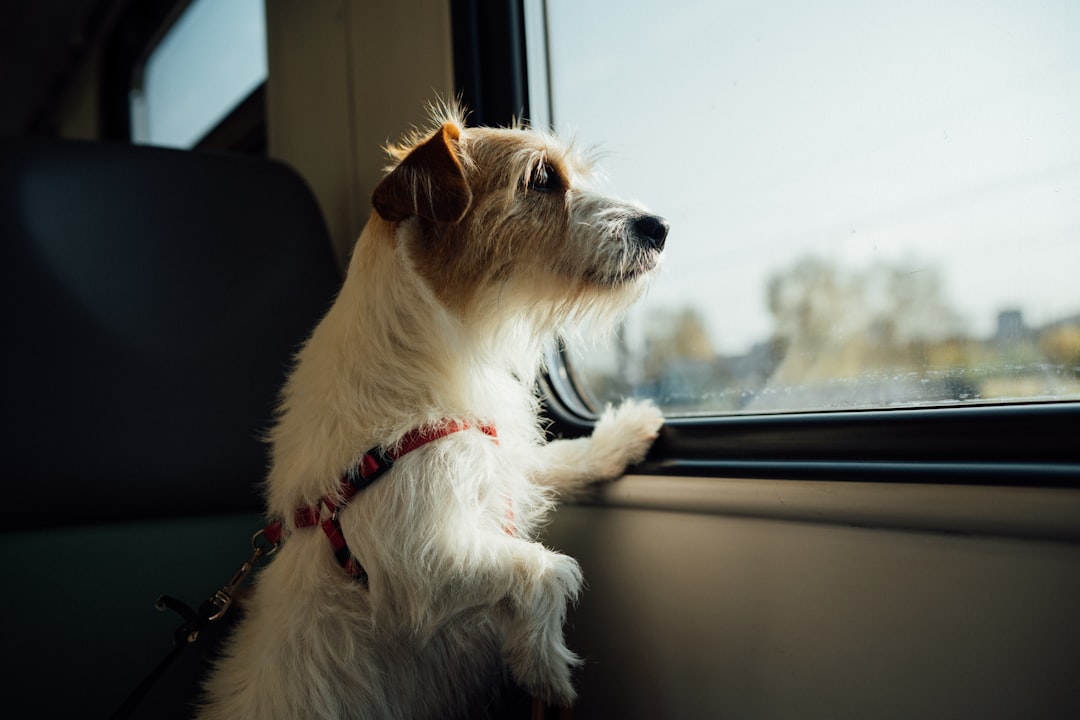
Packing up the car or booking a flight with your dog or cat can be exciting — but safety should come first. Whether it’s a short drive to the park or a cross-country move, thoughtful preparation reduces stress for you and keeps your pet protected.
This guide gives practical, trusted travel-safety steps for both dogs and cats: choosing carriers and restraints, planning food and hydration, preventing escapes, and handling weather and hotel stays. Use the short checklist and FAQs to prepare quickly before your next trip.
1. Plan, pack, and prepare a travel kit
Start with a compact kit you can reach during travel: leash, collapsible bowls, a small first-aid kit, sanitation bags, recent vaccination records, and a familiar toy or blanket. Keep medications and emergency contacts in a sealed pouch. If you want to browse travel essentials and general gear, check this Pet Supplies category for ideas and travel-friendly items.
2. Identification, microchips and secure collars
Before leaving, verify tags and microchip info. Tags should include your phone number and a secondary contact. Collars and harnesses should fit well — not too loose, not too tight — and be sturdy enough to resist sudden pulls. For harness and leash options suitable for travel and escape prevention, see the Collars, Harnesses and Leashes collection.
3. Choosing the right carrier or crate
Carriers should be airline- or vehicle-safe, ventilated, and large enough for your pet to stand and turn around. For cats and small dogs, a soft-sided, well-ventilated carrier is often best for cabin travel. For larger pets, sturdy crates that can be secured in the car or cargo hold are preferable. Consider a proven option like the Petseek Extra Large Cat Carrier for comfort and portability.
4. Car travel: restraint, placement and motion comfort
Never let a pet roam freely in a moving vehicle. Use a properly rated seat harness, crate, or carrier secured by a seat belt or cargo tie-down to prevent sudden movement during braking. For hands-on control on short stops, keep a quality leash at the ready. A reliable travel leash like the DYAprWu Dog Leash offers extra control options when you need them.
5. Flying with pets: rules, carriers and pre-flight prep
Airlines have different requirements for in-cabin or cargo travel. Call the airline ahead to confirm carrier size limits, health certificate deadlines, and fees. For short in-cabin flights, soft-sided carrier bags that fit under the seat are ideal. Pack calming items like a familiar towel and a favorite toy inside the carrier bag so your pet has comfort during the trip. If you need a compact option, this pet Carrier Bag is the kind of product designed for on-board use.
6. Feeding, hydration and motion sickness
Avoid a heavy meal right before travel to reduce nausea. Offer small amounts of water regularly; for long trips, carry a spill-proof water bowl and refill as needed. Keep treats handy for positive reinforcement, and bring enough food for the entire trip plus a little extra. For portable options and water dispensers suited to travel, look at the Dog Food & Water Dispanser category to find travel bowls and water solutions.
7. Rest stops, accommodations and bedding
Schedule rest stops every 2–3 hours on road trips for bathroom breaks and short leash walks. Use calm, quiet spots and always keep pets leashed or secured. At hotels or rentals, verify pet policies and bring a clean bed to help your pet settle. A portable dog bed reduces contact with unfamiliar bedding and can help your pet relax; see options in Dog Beds & Houses.
8. Weather, temperature and outdoor safety
Extreme heat and cold present real risks. Never leave a pet unattended in a parked vehicle, even briefly — temperatures rise quickly. Protect paws from hot pavement and icy surfaces; during heat waves, travel early morning or late evening. Bring extra water, shade, sunscreen for light-skinned pets, and limit strenuous activity in hot conditions. For safe containment and temporary shelter while outdoors, a sturdy carrier or crate can provide shade and wind protection; review cat carriers if you travel with felines in varying weather via Cat Carrier options.
Quick travel safety checklist
- Current ID tag + functioning microchip and recorded contact info
- Secure carrier or crate sized for your pet
- Sturdy leash and harness for exits and short walks
- Food, measured portions, treats and fresh water supply
- Copy of vaccination/medical records and emergency contact list
- Familiar bedding/toy to lower anxiety
- Plan rest stops and pet-friendly accommodations in advance
- Temperature-awareness plan — never leave pets alone in vehicles
FAQ
Q: How do I choose the right carrier?
A: Size matters — your pet should stand, turn, and lie down comfortably. Check airline or car size rules and opt for good ventilation and secure closures.
Q: Should my pet be sedated for travel?
A: Sedation can interfere with breathing and balance, especially in air travel; consult your veterinarian for individualized advice rather than assuming sedation is appropriate.
Q: How do I prevent my dog or cat from escaping at a rest stop?
A: Keep your pet on a short, secure leash and only open doors when you have firm control. Use a harness rather than a collar for better control during exits and re-entry.
Q: What if my pet gets anxious or carsick?
A: Try short practice drives, keep motion to a minimum, offer small meals before travel, and use calming aids or vet-recommended medications if necessary. Behavioral training and desensitization are effective long-term strategies.
Q: What documentation do airlines usually require?
A: Airlines commonly require a health certificate and proof of vaccinations within a specified timeframe; check your specific airline’s requirements and bring extra copies of records.
Conclusion — practical takeaway
Traveling with pets goes smoothly when you prepare for safety and comfort: the right carrier, secure restraints, food and water routines, and updated ID. Spend time on short practice trips, confirm rules with your transport provider, and keep a compact travel kit ready. Small preparations reduce risk and help you both enjoy the journey.
Products Featured in This Article


DYAprWu Dog Leash Printing Durable …
Made with environmentally friendly polyester,manufactured using heat transfer printing techniques,soft feel,vivid color and clear patterns,comfy and…

Petseek Extra Large Cat Carrier Sof…
EXTRA LARGE COMFORTABLE PET CARRIERS- Perfect for Medium to Large Cats or up to Medium Dogs….