
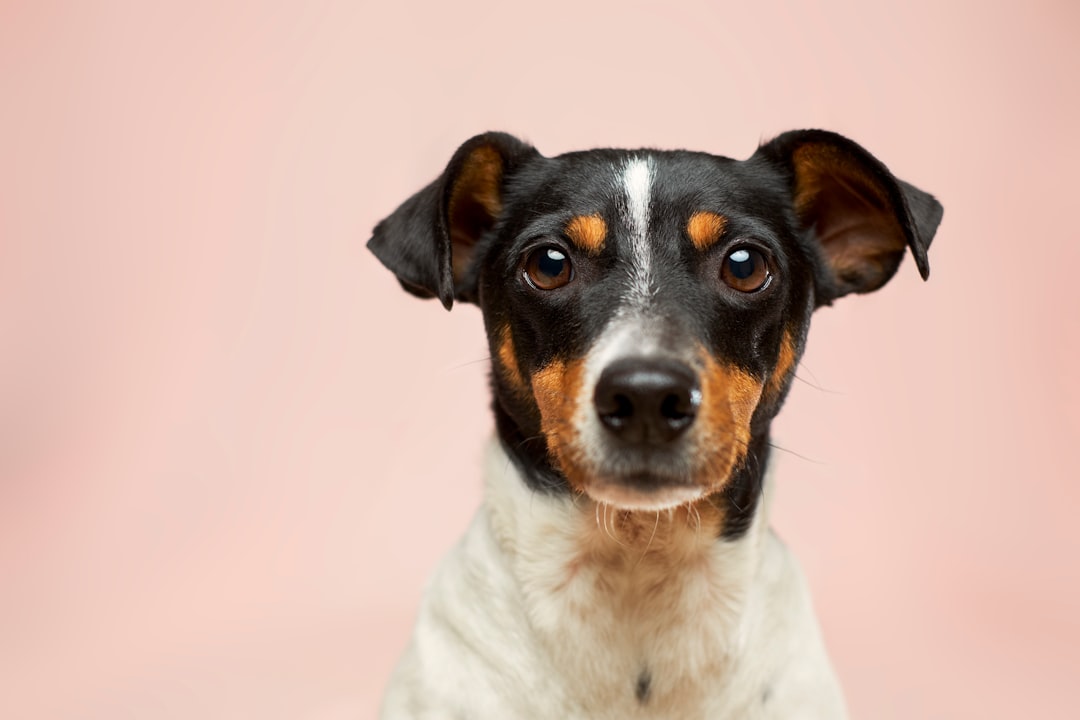
Dog Grooming Tips for a Cleaner and Healthier Coat
Keeping your dog’s coat clean and healthy goes beyond looks—it’s about comfort, skin health and reducing shedding in the home. Regular, targeted grooming prevents mats, identifies skin issues early, and keeps your dog feeling great between vet visits.
If you’re just getting started or want a quick refresher, explore our Dogs section for breed-specific gear and supplies that complement the tips below.
1. Establish a consistent brushing routine
Brushing removes loose hair, distributes skin oils, prevents tangles and stimulates circulation. Frequency depends on coat type: daily for long or double coats, 2–3 times weekly for medium coats, and once weekly for short coats.
Use the right tool for the job—slicker brushes for tangles and undercoats, bristle brushes for short coats, and metal combs for finishing. A versatile option that helps remove loose undercoat and tackle mats is the Cat Self Cleaning Slicker Brush, which works well on many small- to medium-sized dogs.
2. Bathe correctly—don’t overdo it
Bathing is crucial when your dog is dirty, smelly or has topical issues, but too-frequent baths strip natural oils and dry skin. For most dogs, bathing every 4–8 weeks is adequate; more often only when needed for odor or specific skin conditions.
Use lukewarm water, protect the ears, and rinse thoroughly. Work shampoo into the coat, let it sit briefly, then rinse until the water runs clear to prevent residue that can irritate skin. For gentle cleansing, consider a puppy- and sensitive-skin formula like TropiClean Gentle Coconut Hypoallergenic Puppy Shampoo, which is mild and helps maintain skin moisture.
3. Choose shampoos and conditioners wisely
Select products formulated for dogs—human shampoos change pH and can dry skin. For odor control or heavy-duty cleansing, deodorizing options can help between full baths. If your dog has sensitive skin, look for hypoallergenic or oatmeal-based formulas and avoid added dyes or strong fragrances.
For pet owners dealing with persistent odor or oily coats, a deodorizing shampoo like Arm & Hammer Super Deodorizing Shampoo can be effective—but reserve stronger products for occasional use and follow label directions.
4. Don’t forget ears, eyes and paw care
Grooming includes ear and paw checks. Look for redness, discharge or wax buildup in the ears, and check paw pads for cuts, debris and trapped hair. Clean ears gently and avoid pushing anything deep into the canal.
For quick, safe cleanups after walks or baths, handy wipes make maintenance easier. Keep a pack of Pet MD Dog Ear Cleaner Wipes on hand for routine wipe-downs and surface cleaning of ear folds—but consult your vet if you suspect infection.
5. Protect the coat with appropriate apparel
Coats, sweaters and waterproof shells can reduce dirt, matting and exposure to wet weather—especially for short-haired breeds in cold climates or long-haired breeds on muddy walks. Clothing can also protect healing skin after surgery or hot spots.
When selecting apparel, ensure proper fit and materials that breathe. Browse our Dog Clothing options to find breathable, washable pieces that make outdoor grooming easier and keep your dog’s coat cleaner between washes.
6. Bedding and environment matter
Your dog picks up dirt and allergens from bedding and furniture. Wash dog beds and blankets regularly and choose bedding that’s machine-washable and easy to vacuum.
A supportive, washable bed like the Furhaven Orthopedic Dog Bed reduces hair accumulation on floors and helps keep your dog’s coat cleaner by providing a comfortable, low-dust resting spot.
7. Nutrition, supplements and coat health
Healthy skin starts from the inside. High-quality protein, omega-3 and omega-6 fatty acids, and vitamins support coat shine and reduce shedding. Avoid sudden diet changes—introduce new foods gradually and consult your vet for tailored advice.
If you feed at home, use durable, spill-minimizing feeders and keep food storage clean. Check our Dog Food & Water Dispanser category for feeding solutions that help maintain a tidy eating area and reduce food-related coat dirt.
8. Tools, trims and when to see a pro
Stock up on grooming basics: slicker brush, undercoat rake (if applicable), grooming scissors with rounded tips, nail clippers or grinder, a good towel and a non-slip mat for bath time. Regular nail trims and sanitary trims around the rear and paws help maintain cleanliness and prevent matting.
Consider professional grooming for complex coats (poodles, schnauzers, many double-coated breeds) and seasonal heavy shedding. A pro can also address stubborn mats safely. If you prefer DIY, follow breed-specific guides and practice gently to keep your dog relaxed.
Quick Grooming Checklist
- Brush appropriate to coat type: daily to weekly
- Bathe only as needed (typically every 4–8 weeks)
- Use dog-formulated shampoo and rinse thoroughly
- Wipe ears and check paw pads after outdoor time
- Trim nails and sanitary areas regularly
- Keep bedding clean and washable
- Feed balanced diet with omega fatty acids
- Schedule professional groomer for complex coats or major trims
FAQ
- How often should I brush my dog? It depends on coat type—daily for long or double coats, several times weekly for medium coats, and weekly for short coats.
- Can I use human shampoo on my dog? No—human shampoos can disrupt canine skin pH and cause dryness; use products formulated for dogs.
- When should I see a vet about skin or coat issues? See your vet for persistent itching, hair loss, sores, swelling, foul odor or signs of infection.
- How do I prevent matting? Regular brushing, trims, and keeping the coat dry and clean reduces matting; seek a groomer for stubborn mats.
- Are wipes ok for quick cleaning? Yes—wipes are great for spot cleaning ears, paws and folds between baths but don’t replace full baths when needed.
Conclusion
A cleaner, healthier coat results from consistent brushing, appropriate bathing, good nutrition and a tidy environment. Start with the simple daily habits—brushing, ear and paw checks—and invest in a few quality products to make grooming efficient and comfortable for both you and your dog. Small, regular efforts prevent larger problems and keep your dog looking and feeling their best.
Products Featured in This Article

Pet MD – Dog Ear Cleaner Wipe…
Advanced Formulation Designed to Gently Clean, Deodorize and Dry Your Pets Ears Gentle and Safe for…

Cat Self Cleaning Slicker Brush, Pe…
💖UPGRADED CAT SLICKERS BRUSHES:💖pets grooming cat dog brush! Whether you're a pet owner or groomer, you…

TropiClean Coconut Hypoallergenic D…
GENTLE CLEANSING – TropiClean Gentle Coconut Hypoallergenic Puppy Shampoo is perfect for puppies, kittens and pets…

Furhaven Orthopedic Dog Bed for Lar…
COMFORT AS PRIORITY: The sofa-style design creates a cozy and inviting space that promotes comfort and…

Arm & Hammer Deodorizing Dog Sh…
ELIMINATES SMELLY ODORS – Arm & Hammer Super deodorizing shampoo is a pet odor Eliminator, leaving…