
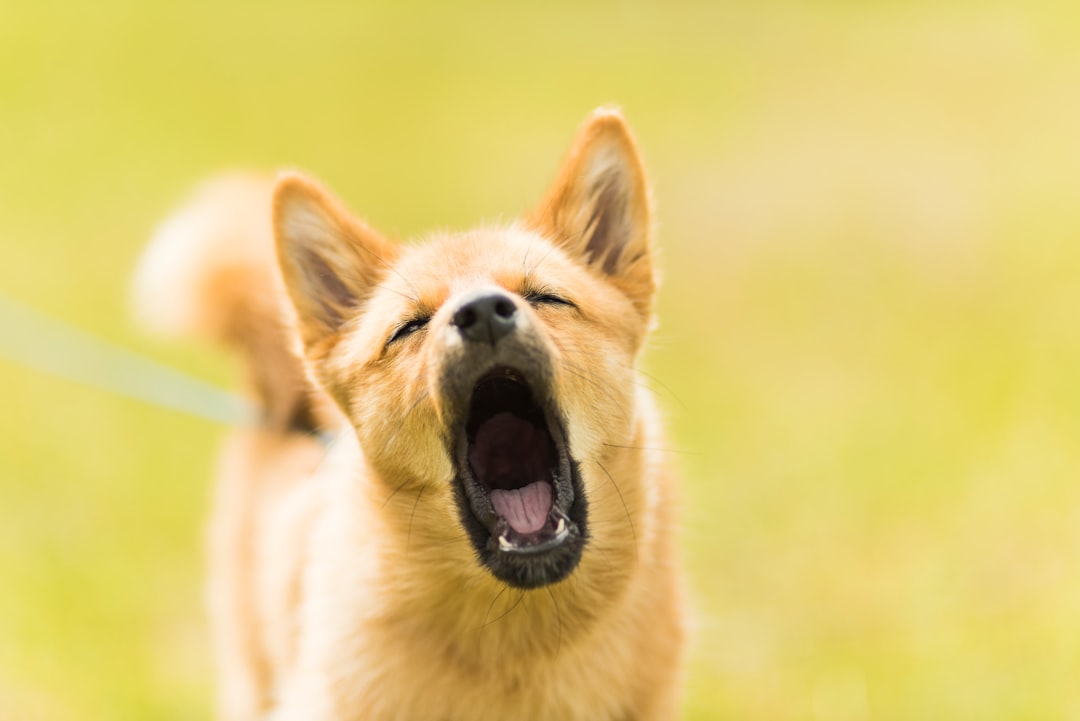
Loud noises — fireworks, thunderstorms, construction, or neighborhood celebrations — can turn a calm pet into a panicked one in minutes. The good news: with planning and consistent practice you can reduce your pet’s fear and help them cope when the world gets noisy.
This guide offers practical, trustworthy steps to keep dogs and cats calmer during loud events, with proven strategies you can start using today and product suggestions to make those strategies easier to implement. Browse basic supplies if you need gear to get started: pet supplies.
Understand why loud noises trigger fear
Animals have different hearing ranges and much greater sensitivity to high frequencies and sudden changes than humans do. A sound that seems distant to you can feel like a threat to a dog or cat. Fear responses are natural: freezing, hiding, pacing, drooling, trembling, or trying to escape. Observing the exact behaviors your pet shows will help you choose the right interventions.
Create a secure, predictable safe space
Before a predicted noisy event, prepare a quiet, cozy refuge where your pet can retreat. For dogs, a comfortable covered bed or den-like crate reduces perceived threat and creates a sense of shelter — consider options in the dog beds & houses selection to find calming beds or covered houses that fit your dog’s size.
For cats, pick a high, enclosed, or tucked-away spot with familiar scents. Line it with favorite blankets and a few toys so the area becomes associated with relaxation rather than stress.
Use desensitization and counter-conditioning
Long-term reduction in noise fear comes from gradual exposure paired with positive experiences. Start far below the sound level that triggers your pet and pair short exposures with high-value rewards. Over days to weeks, slowly increase the volume while continuing to reward calm behavior. Interactive play, short training sessions, and treats help build a positive association with the sound.
Keep an array of interesting rewards ready — toys work well to redirect energy. If your dog thrives on play, look through the interactive dog toys section to find items that hold attention during training and distraction sessions.
Distract and engage with appropriate toys
During a noisy event, focused activities can override anxiety. Puzzle toys, chew toys, or stuffed toys provide mental stimulation and an outlet for nervous energy. Choose toys based on your pet’s preferences and durability needs. A soft comfort toy like the Multipet Plush Dog Toy, Lambchop can be soothing for dogs that like carrying or cuddling an item, while puzzle feeders encourage problem-solving and slow feeding.
Consider calming aids and scents
Some pets relax with familiar, comforting scents. Catnip is a stimulant for many cats that can reduce anxiety in play-responders — keep a small shaker like SmartyKat Catnip on hand for safe, short play sessions before or during a noisy event if your cat responds positively.
Other non-medical aids include snug wraps, pheromone diffusers, or calming dog beds. Never use sedatives or supplements without consulting your veterinarian.
Plan transport and moving safely during noisy events
If you need to move your pet (for example, to a friend’s house during fireworks or to a car during storms), use a secure carrier to reduce escape risk and give the animal a contained, familiar environment. For larger or anxious cats a well-ventilated soft carrier like the Petseek Extra Large Cat Carrier can make travel safer and calmer.
Manage movement, exercise and timing
A tired pet handles stress better. Schedule good exercise and play earlier in the day so your dog or cat is physically and mentally spent before predictable noisy times like New Year’s Eve. When leaving the house, use secure handling gear and a safe route — a sturdy leash with two control points helps on-street stability: consider a reliable option like the DYAprWu dog leash.
When distraction and preparation aren’t enough
If a pet experiences intense panic despite your best preparation, prioritize safety: keep exits secured, do not force a terrified animal out of hiding, and provide a calm companion presence without reinforcing frantic behavior. For immediate soothing, high-value treats or chews can help ground attention; keep a stash of dependable favorites from the treats selection for quick reinforcement (choose species-appropriate options).
Checklist: Quick actions to keep your pet calm during loud noises
- Prepare a safe, enclosed space with bedding and familiar scent items.
- Exercise or play earlier in the day to reduce excess energy.
- Use toys, puzzle feeders, or a stuffed comfort toy during the event.
- Play low-level calming music or white noise to mask sudden sounds.
- Have carriers, leashes, and calm treats ready for transport or reinforcement.
- Practice slow desensitization sessions well before predictable events.
- Consult your veterinarian if fear is severe or worsening.
FAQ
Q: My pet hides and won’t come out — should I force them?
A: No. Forcing a hiding animal increases stress and can damage trust. Make the hiding spot safer and accessible, offer treats or toys nearby, and let the pet emerge on its own terms.
Q: Are thunder shirts or wraps effective?
A: Many pets find gentle, constant pressure calming. Try a snug wrap briefly before a noisy event to see if it helps; always watch for signs of discomfort.
Q: Can I use food or treats to calm my pet?
A: Yes — high-value treats or slow-dispensing chews can distract and reward calm behavior. Keep species-appropriate treats ready; for cats and kittens, options like those in the treats category can be useful.
Q: When should I get professional help?
A: If your pet’s fear leads to self-injury, extreme escape attempts, or lasts outside of noisy triggers, contact a veterinarian or certified behaviorist for tailored guidance and to explore safe medical or behavioral interventions.
Q: What if my cat reacts to fireworks but ignores catnip?
A: Not all cats respond to catnip. Try environmental adjustments (quiet high spaces, covered carriers), interactive play, or pheromone diffusers. If you’d like to incorporate play-based calming, consider rotating accessible toys from the interactive toy selections for dogs and similar cat toy choices to find what engages your cat.
Conclusion
Calming a pet during loud noises requires planning, patience, and consistent practice. Start by creating a safe space, provide distraction with toys and play, and gradually desensitize to noise. Keep a reliable leash, carrier, and favorite comfort items ready — simple products like a sturdy carrier, an engaging toy, and a cozy bed can make the difference when the next noisy event arrives.
Products Featured in This Article

DYAprWu Dog Leash Printing Durable …
Made with environmentally friendly polyester,manufactured using heat transfer printing techniques,soft feel,vivid color and clear patterns,comfy and…


Petseek Extra Large Cat Carrier Sof…
EXTRA LARGE COMFORTABLE PET CARRIERS- Perfect for Medium to Large Cats or up to Medium Dogs….
