
How to Build a Daily Routine for Your Cat or Dog
Consistent daily routines reduce stress, improve behavior, and make life simpler for both pets and owners. Whether you share your home with a playful dog, a curious cat, or both, a reliable rhythm helps meet physical, mental, and emotional needs.
This guide breaks routines into practical steps you can apply today—feeding, exercise, grooming, rest, and mental stimulation—plus sample schedules and a concise checklist you can follow. It’s written for real homes, busy schedules, and pets at every life stage.
Why a Routine Matters
Pets thrive on predictability. A steady schedule helps regulate digestion, sleep cycles, and behavior. For dogs, routines support housetraining and reduce anxiety. For cats, regular feeding and play reduce stress-related behaviors like litter-box avoidance or over-grooming.
If you’re shopping for gear to support a routine, explore categories designed for specific needs for both Dogs and Cats.
Morning: Feeding, Bathroom, and Short Walk or Play
Start the day with a predictable sequence: bathroom break, feeding, and morning movement. This order reduces accidents and prevents food guarding or anxieties around meals.
For cats, keep feeding times consistent and clean the litter daily. If you use wet food or timed feedings, aim for the same morning window. Check resources for cat nutrition items under Food.
For dogs, a brisk morning walk or backyard run sets them up to be calmer during the day. If you need a more automated option for water and meals when you’re out, look into Dog Food & Water Dispanser.
Exercise and Play: Physical Needs Met Daily
Exercise requirements vary by age, breed, and health. A baseline: short daily sessions for cats (interactive play) and multiple walks or play sessions for dogs. Break exercise into 10–20 minute bursts if time is tight.
Interactive toys make short sessions effective. For dogs, durable fetch and puzzle toys extend activity and focus; check Dog Toys for options. For cats, rotating small toys or a multi-level track stimulates hunting instincts—see the Cat Toys selection for ideas.
Grooming and Health Checks: Short Daily Habits
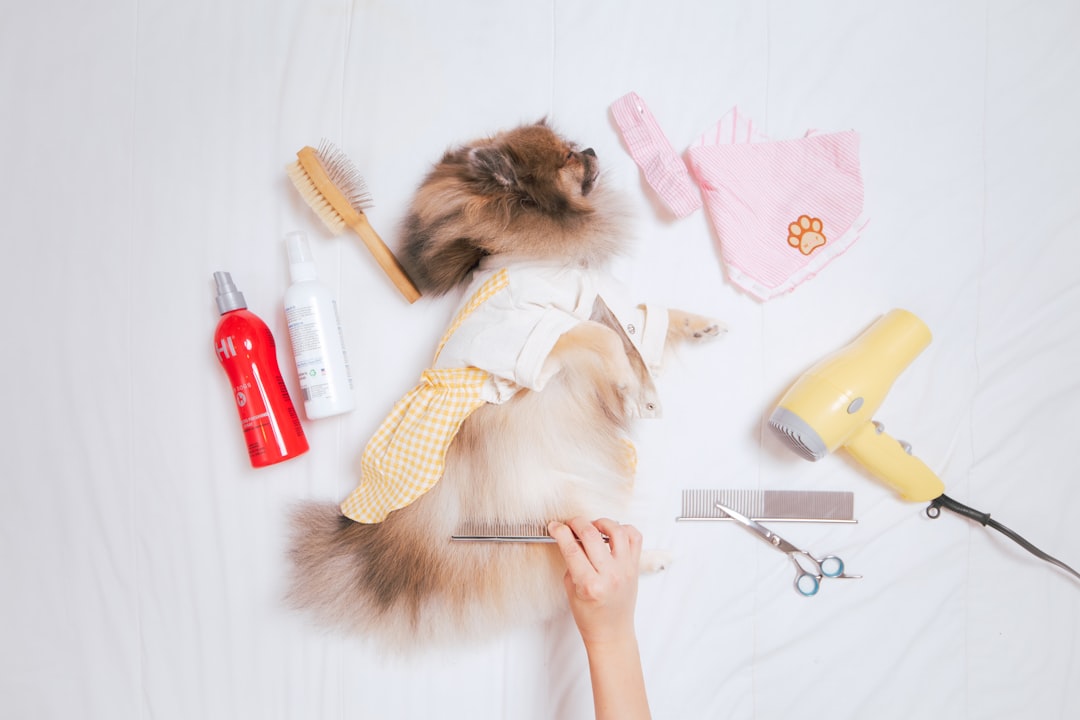
Grooming isn’t just baths. Daily brushing, ear sniff checks, and nail monitoring prevent bigger problems and keep pets comfortable. Make grooming short and positive—2–5 minutes most days—and save longer sessions for weekly or monthly needs.
For cats that shed or mats form, a gentle slicker brush and gradual desensitization help. Browse grooming tools and supplies under the Grooming category to find kits that fit your pet’s coat and temperament.
Training and Mental Stimulation
Training sessions sharpen obedience and strengthen your bond. Short, frequent training (5–10 minutes, 2–3 times a day) beats one long session. For mental stimulation, use treat puzzles, scent games, and problem-solving toys that reward concentration.
Keep treats handy and use them strategically: as markers for good behavior, not constant rewards. Use small, high-value treats during training and lower calorie options for everyday rewards.
Safe Rest Spaces and Environment
Pets need predictable, quiet places to rest. Provide a comfortable bed in a consistent location. For dogs, raised or orthopedic beds help joint support; consider specialized furniture listed in Dog Beds & Houses. Cats appreciate warm, elevated spots with hiding choices and soft bedding.
Separate rest and feeding areas—pets feel more secure when their resources are predictable and not crowded by noise or foot traffic.
Adapting Routines for Life Stage and Special Needs
Adjust routines for puppies and kittens (more frequent meals, short intense play), senior pets (gentle exercise, more rest), and pets with medical conditions (consult your vet for specifics). The core structure—predictable meals, exercise, grooming, and rest—remains, but timing and intensity shift.
If you have multiple pets, stagger activities or provide multiple feeding and resting sites to reduce competition and stress.
Putting It Together: Sample Daily Schedules
Choose a framework that matches your day. Below are two sample schedules—one for a typical dog and one for an indoor cat—to adapt as needed.
- Dog: 7:00 bathroom and 20–30 minute walk; 7:30 breakfast; 12:30 short walk/play; 17:30 longer walk or play session; 18:00 dinner; evening 10–15 minutes of training and wind-down before bed.
- Cat: 7:30 breakfast and litter check; 8:00 10–15 minutes interactive play; midday 5–10 minutes of puzzle feeding; late afternoon brushing or grooming check; 18:00 dinner and calm play before bed.
Quick Checklist: Build Your Routine
- Set consistent meal and bathroom times.
- Schedule at least two focused activity sessions daily.
- Include short grooming and health checks every day.
- Provide a quiet, comfortable rest spot.
- Rotate toys and introduce new challenges from your pet supplies.
FAQ
Q: How strict should I be with times?
A: Consistency matters more than the exact minute. Aim for windows (e.g., morning, midday, evening) you can reliably meet.
Q: What if my pet resists grooming?
A: Keep sessions brief and positive. Start with 1–2 minutes, reward often, and use gentle tools. If needed, consult a professional groomer or behaviorist for stepwise desensitization.
Q: How do I keep play interesting?
A: Rotate toys and vary activities—chase, puzzle, scent games, and fetch mimic natural behaviors. Check new ideas in categories like Dog Toys and Cat Toys.
Q: My schedule varies—how do I maintain a routine?
A: Use automation where helpful (timed feeders, water dispensers) and compress activities into reliable windows you can hit each day. For dogs, quality walks matter; for cats, short interactive play works well.
Q: What gear helps create a calm sleep area?
A: Orthopedic or raised beds and quiet corners help. Explore options in the Dog Beds & Houses category and choose a cat-friendly elevated spot for feline rest.
Conclusion
Building a daily routine is a practical investment in your pet’s wellbeing. Start with consistent feeding and bathroom times, add predictable exercise and short grooming checks, and provide a calm place to rest. Test a schedule for two weeks, adjust as your pet responds, and use simple tools—feeders, toys, comfy beds—to make the routine effortless and reliable.